

Broiler Skin Pigmentation: How to Achieve Better Meat Color and Higher Market Value
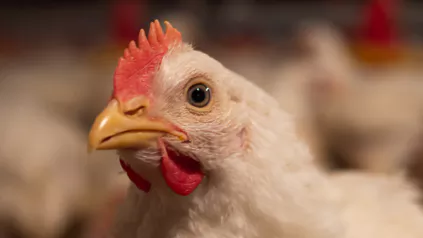
In many poultry markets, consumers prefer broiler meat with an attractive yellow to orange skin color. A well pigmented bird not only stands out at the point of sale but is often associated with quality, freshness, and good nutrition. For poultry producers, achieving consistent skin pigmentation can therefore contribute to stronger customer satisfaction and improved product value.
At Champrix, we help poultry producers optimize performance, health, and product quality through practical nutrition solutions. One of these important quality parameters is broiler skin pigmentation.

Why is broiler skin pigmentation important?
Skin color plays a significant role in consumer purchasing decisions. In many regions, broilers with a rich yellow pigmentation are perceived as more natural and appealing than birds with pale skin.
The yellow to orange color comes from carotenoids, naturally occurring pigments found in ingredients such as:
Yellow maize
Alfalfa meal
Marigold extract
Other plant based raw materials
The challenge is that the carotenoid content of these ingredients can vary significantly throughout the year, making it difficult to maintain consistent pigmentation.
The role of carotenoids in poultry nutrition
Carotenoids are natural pigments that accumulate in the skin, fat tissues, and egg yolks of poultry.
By supplementing broiler diets with carefully selected carotenoid sources, producers can achieve a more uniform skin color while reducing dependency on seasonal fluctuations in raw materials.
Did you know?
The same carotenoids used to improve broiler skin color are also widely used in layer diets to produce bright yellow and orange egg yolks.
Why pigmentation in broilers requires more attention
Compared to egg yolk pigmentation, achieving skin pigmentation in broilers requires a higher investment in nutritional management.
Higher carotenoid requirements
Broilers typically require four to five times more carotenoids than laying hens because the pigment must be distributed throughout the skin and body tissues.
Natural pigments are more effective
For broiler skin pigmentation, natural yellow carotenoids, particularly xanthophylls, generally provide superior results compared to many synthetic alternatives. However, these natural sources are often more expensive.
When should pigmentation supplementation start?
Research and field experience show that the most effective approach is to start carotenoid supplementation around 21 days of age and continue until slaughter.
Starting supplementation earlier generally does not lead to stronger pigmentation, while starting later may result in a paler final product.
Because requirements vary according to feed composition, genetics, climate, and local market expectations, it is advisable to work with a poultry nutrition specialist when designing a pigmentation program.
Factors that influence broiler skin color
Even with the right supplementation strategy, several factors can affect the final pigmentation result.
1. Natural pigments in feed ingredients
The carotenoid content of maize, alfalfa, and other raw materials contributes significantly to overall pigmentation levels.
2. Dietary fat content
Carotenoids are fat soluble compounds. Diets with appropriate fat levels typically improve carotenoid absorption and can support better pigmentation.
3. Bird health and stress
Health challenges can reduce pigment deposition. Common factors include:
Heat stress
Intestinal disorders
Coccidiosis
Disease challenges
Reduced feed intake
Healthy birds generally show better and more consistent pigmentation results.
Champrix solutions for broiler pigmentation
At Champrix, we understand that every poultry operation has unique requirements. Our poultry nutrition specialists can help you:
Evaluate current pigmentation levels
Optimize feed formulations
Improve carotenoid utilization
Support bird health and gut function
Achieve more consistent skin color at processing
In addition to pigmentation strategies, Champrix offers a wide range of poultry nutrition solutions including premixes, concentrates, mineral supplements, vitamin supplements, feed additives, and performance enhancing nutritional products designed to support profitability and bird performance.
Improve broiler quality with the right nutrition program
Consistent skin pigmentation is not achieved through pigments alone. It is the result of balanced nutrition, efficient nutrient utilization, good bird health, and the right supplementation strategy.
By combining quality feed ingredients with targeted nutritional solutions, poultry producers can achieve the attractive skin color consumers expect while maintaining optimal flock performance.
Looking to improve broiler skin pigmentation?
Contact the Champrix team for tailored nutritional advice and practical solutions that fit your production system and market requirements.
Talk to a Champrix poultry nutrition specialist today and discover how we can help you achieve consistent pigmentation and better market results.
Frequently Asked Questions About Broiler Skin Pigmentation
Does yellow skin mean better nutrition?
Skin color does not automatically indicate higher nutritional value, but consumers often associate yellow pigmentation with premium quality and natural feeding practices.
Can pigmentation be achieved using feed alone?
Yes, through carefully formulated diets containing natural or supplemental carotenoids, producers can significantly influence skin color.
Does bird health affect pigmentation?
Absolutely. Stress, disease, and poor gut health can reduce carotenoid absorption and negatively affect skin color.
In many poultry markets, consumers prefer broiler meat with an attractive yellow to orange skin color. A well pigmented bird not only stands out at the point of sale but is often associated with quality, freshness, and good nutrition. For poultry producers, achieving consistent skin pigmentation can therefore contribute to stronger customer satisfaction and improved product value.
At Champrix, we help poultry producers optimize performance, health, and product quality through practical nutrition solutions. One of these important quality parameters is broiler skin pigmentation.
Why is broiler skin pigmentation important?
Skin color plays a significant role in consumer purchasing decisions. In many regions, broilers with a rich yellow pigmentation are perceived as more natural and appealing than birds with pale skin.
The yellow to orange color comes from carotenoids, naturally occurring pigments found in ingredients such as:
Yellow maize
Alfalfa meal
Marigold extract
Other plant based raw materials
The challenge is that the carotenoid content of these ingredients can vary significantly throughout the year, making it difficult to maintain consistent pigmentation.
The role of carotenoids in poultry nutrition
Carotenoids are natural pigments that accumulate in the skin, fat tissues, and egg yolks of poultry.
By supplementing broiler diets with carefully selected carotenoid sources, producers can achieve a more uniform skin color while reducing dependency on seasonal fluctuations in raw materials.
Did you know?
The same carotenoids used to improve broiler skin color are also widely used in layer diets to produce bright yellow and orange egg yolks.
Why pigmentation in broilers requires more attention
Compared to egg yolk pigmentation, achieving skin pigmentation in broilers requires a higher investment in nutritional management.
Higher carotenoid requirements
Broilers typically require four to five times more carotenoids than laying hens because the pigment must be distributed throughout the skin and body tissues.
Natural pigments are more effective
For broiler skin pigmentation, natural yellow carotenoids, particularly xanthophylls, generally provide superior results compared to many synthetic alternatives. However, these natural sources are often more expensive.
When should pigmentation supplementation start?
Research and field experience show that the most effective approach is to start carotenoid supplementation around 21 days of age and continue until slaughter.
Starting supplementation earlier generally does not lead to stronger pigmentation, while starting later may result in a paler final product.
Because requirements vary according to feed composition, genetics, climate, and local market expectations, it is advisable to work with a poultry nutrition specialist when designing a pigmentation program.
Factors that influence broiler skin color
Even with the right supplementation strategy, several factors can affect the final pigmentation result.
1. Natural pigments in feed ingredients
The carotenoid content of maize, alfalfa, and other raw materials contributes significantly to overall pigmentation levels.
2. Dietary fat content
Carotenoids are fat soluble compounds. Diets with appropriate fat levels typically improve carotenoid absorption and can support better pigmentation.
3. Bird health and stress
Health challenges can reduce pigment deposition. Common factors include:
Heat stress
Intestinal disorders
Coccidiosis
Disease challenges
Reduced feed intake
Healthy birds generally show better and more consistent pigmentation results.
Champrix solutions for broiler pigmentation
At Champrix, we understand that every poultry operation has unique requirements. Our poultry nutrition specialists can help you:
Evaluate current pigmentation levels
Optimize feed formulations
Improve carotenoid utilization
Support bird health and gut function
Achieve more consistent skin color at processing
In addition to pigmentation strategies, Champrix offers a wide range of poultry nutrition solutions including premixes, concentrates, mineral supplements, vitamin supplements, feed additives, and performance enhancing nutritional products designed to support profitability and bird performance.
Improve broiler quality with the right nutrition program
Consistent skin pigmentation is not achieved through pigments alone. It is the result of balanced nutrition, efficient nutrient utilization, good bird health, and the right supplementation strategy.
By combining quality feed ingredients with targeted nutritional solutions, poultry producers can achieve the attractive skin color consumers expect while maintaining optimal flock performance.
Looking to improve broiler skin pigmentation?
Contact the Champrix team for tailored nutritional advice and practical solutions that fit your production system and market requirements.
Talk to a Champrix poultry nutrition specialist today and discover how we can help you achieve consistent pigmentation and better market results.
Frequently Asked Questions About Broiler Skin Pigmentation
Does yellow skin mean better nutrition?
Skin color does not automatically indicate higher nutritional value, but consumers often associate yellow pigmentation with premium quality and natural feeding practices.
Can pigmentation be achieved using feed alone?
Yes, through carefully formulated diets containing natural or supplemental carotenoids, producers can significantly influence skin color.
Does bird health affect pigmentation?
Absolutely. Stress, disease, and poor gut health can reduce carotenoid absorption and negatively affect skin color.

Expertise that Empowers
At Champrix, we offer extensive practical knowledge across a wide range of feed solutions. We go beyond expertise and actively guide our partners through every step of their journey.
READ MORE
Expertise that Empowers
At Champrix, we offer extensive practical knowledge across a wide range of feed solutions. We go beyond expertise and actively guide our partners through every step of their journey.
READ MORE

Expertise that Empowers
At Champrix, we offer extensive practical knowledge across a wide range of feed solutions. We go beyond expertise and actively guide our partners through every step of their journey.
READ MORE
Expertise that Empowers
At Champrix, we offer extensive practical knowledge across a wide range of feed solutions. We go beyond expertise and actively guide our partners through every step of their journey.
READ MORE
Expertise that Empowers
At Champrix, we offer extensive practical knowledge across a wide range of feed solutions. We go beyond expertise and actively guide our partners through every step of their journey.
READ MORE
Expertise that Empowers
At Champrix, we offer extensive practical knowledge across a wide range of feed solutions. We go beyond expertise and actively guide our partners through every step of their journey.
READ MORE
Expertise that Empowers
At Champrix, we offer extensive practical knowledge across a wide range of feed solutions. We go beyond expertise and actively guide our partners through every step of their journey.
READ MORE
Expertise that Empowers
At Champrix, we offer extensive practical knowledge across a wide range of feed solutions. We go beyond expertise and actively guide our partners through every step of their journey.
READ MORE
Expertise that Empowers
At Champrix, we offer extensive practical knowledge across a wide range of feed solutions. We go beyond expertise and actively guide our partners through every step of their journey.
READ MORE
Expertise that Empowers
At Champrix, we offer extensive practical knowledge across a wide range of feed solutions. We go beyond expertise and actively guide our partners through every step of their journey.
READ MORE
Expertise that Empowers
At Champrix, we offer extensive practical knowledge across a wide range of feed solutions. We go beyond expertise and actively guide our partners through every step of their journey.
READ MORE
Expertise that Empowers
At Champrix, we offer extensive practical knowledge across a wide range of feed solutions. We go beyond expertise and actively guide our partners through every step of their journey.
READ MORE

Contact us
Stay Updated!
Subscribe to our mailings and be the first to hear about the latest research, innovations, and expert tips from Champrix.






Follow us
Stay Updated!
Subscribe to our mailings and be the first to hear about the latest research, innovations, and expert tips from Champrix.
Contact us
Stay Updated!
Subscribe to our mailings and be the first to hear about the latest research, innovations, and expert tips from Champrix.
Follow us